Table of Contents
- IOC directors earn more money than Olympic champions – and more than ...
- The best visualizations of the Tokyo 2020 Olympic Games | Datasketch
- Why India shouldn't host the Olympics—a costly affair with no returns ...
- Gasto de los Juegos Olímpicos desde 1992 / Cost of Olympic Games since ...
- CSRWire - Preserving the Universality of the Olympic Games
- Visual Analysis of Olympics Data
- Olympic Winter Games – its zero-Covid policy is a big issue for Beijing ...
- Sochi Winter Olympics Infographic Top Medal winning nations #USA # ...
- Infographic: From Athens to Rio | Summer olympic games, Summer olympics ...
- The Economics of Hosting the Olympic Games | by CFR | Medium
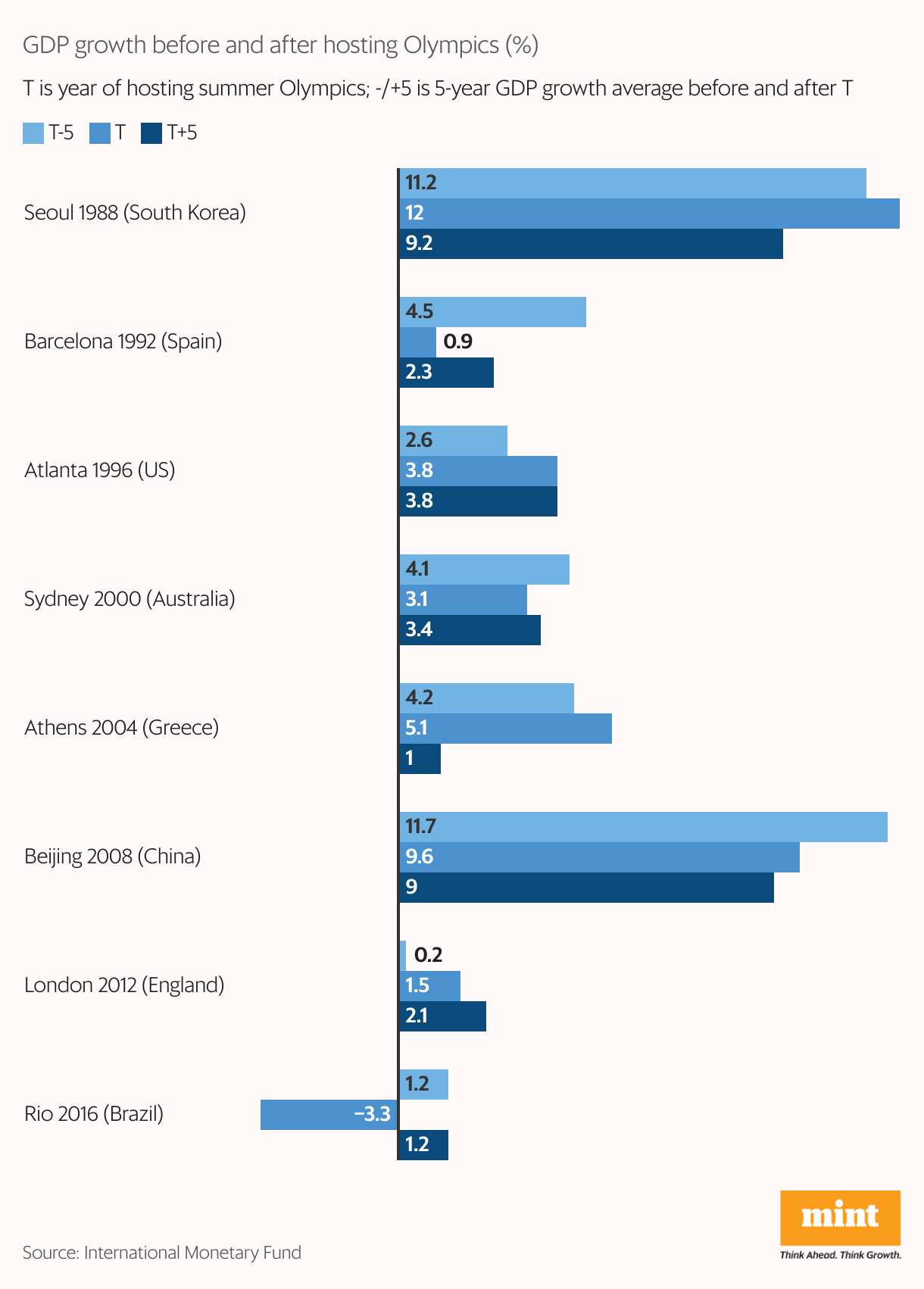

The IOC's revenue from the Winter Olympics comes from a variety of sources, including broadcasting rights, sponsorships, and ticket sales. Broadcasting rights, in particular, are a major source of revenue for the IOC, with television networks and streaming services paying billions of dollars for the right to broadcast the Games. For example, NBCUniversal paid $7.75 billion for the broadcasting rights to the Winter Olympics from 2021 to 2032. This deal alone is expected to generate significant revenue for the IOC, with some estimates suggesting that it could bring in as much as $1 billion per year.
Sponsorship Revenue



Ticket Sales


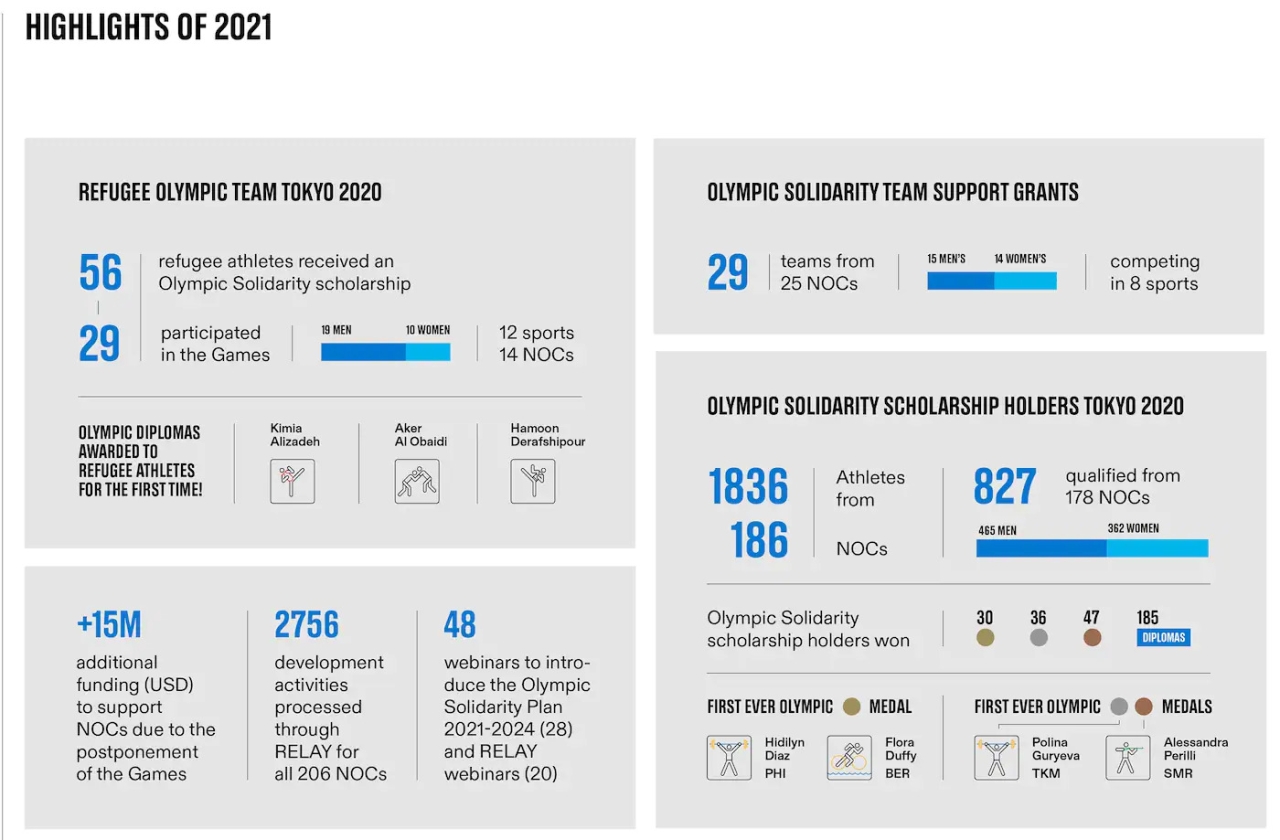
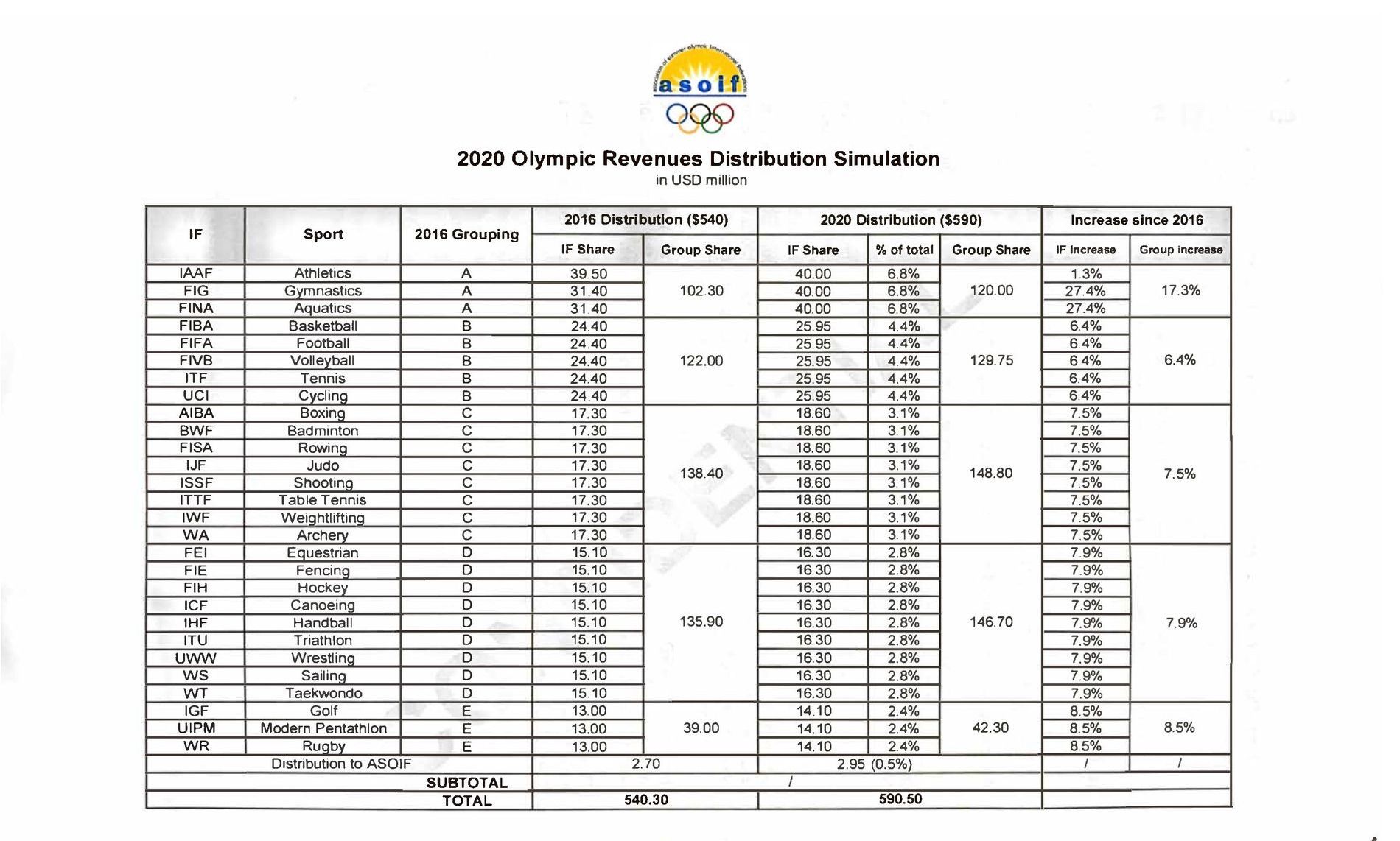
In total, the IOC's revenue from the Winter Olympics is estimated to be in the billions of dollars. According to some estimates, the IOC generates as much as $5 billion in revenue from the Winter Games, making it one of the most lucrative sporting events in the world. This revenue is used to support the IOC's operations, as well as to fund various Olympic programs and initiatives, such as the Olympic Solidarity program, which provides financial support to athletes and national Olympic committees from around the world.
For more information about the Olympic Winter Games and the IOC's revenue, visit Follr to learn more about the business side of sports.